If you’re in the rice import business, especially sourcing premium Basmati rice, one of the first questions you must address is:
“Which variety should I import – Raw, Steam, or Sella Basmati Rice?”
The answer depends on your target market, end-customer demand, storage and transit needs, and final use cases.
This detailed guide will help you understand the processing, visual differences, cooking properties, and global buyer preferences—so you can choose the right variant of Basmati rice for your business.
1. Raw Basmati Rice – Pure & Traditional
What Importers Need to Know:
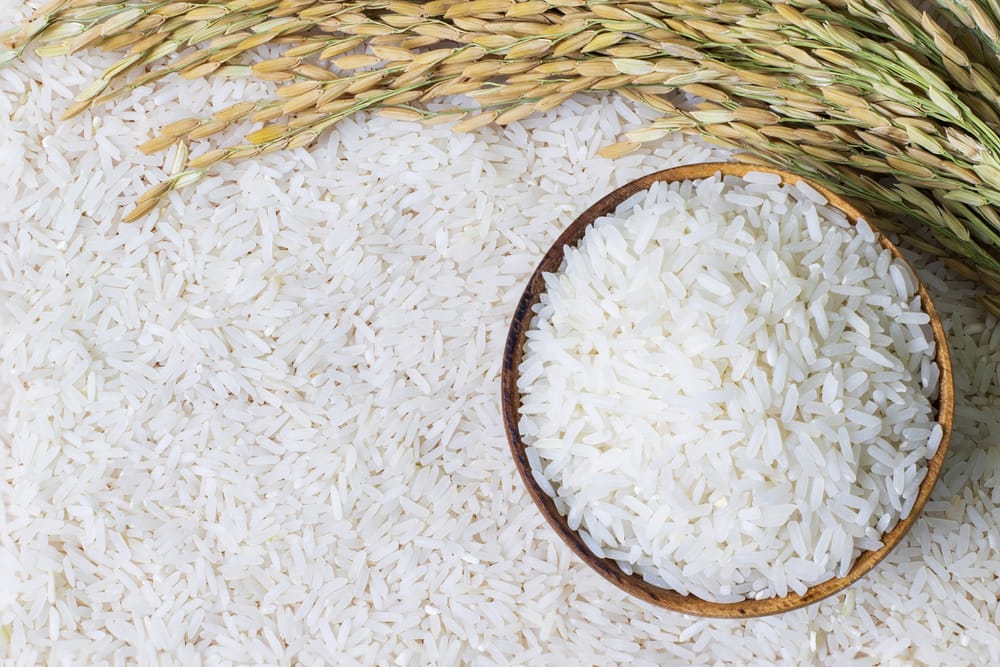
Raw Basmati rice is most natural form, processed without boiling or steaming. It is simply milled and polished post-harvest.
Processing:
- No steaming or parboiling.
- Paddy is dried and directly milled.
Specifications:
- Appearance: White or off-white.
- Grain: Softer and slightly fragile.
- Aroma: Strongest natural aroma.
- Shelf Life: 12 to 18 months if stored in cool and dry places.
Ideal Import Markets:
- Europe, North America, and Middle Eastern retail stores where traditional Basmati is appreciated.
- Retailers that promote natural and aromatic rice.
Common End Uses:
- Daily household use.
- Quick-cooking dishes, Pulao, and fried rice.
- Customers seeking premium aroma.
Key Consideration:
Raw Basmati has lower cooking yield and is more prone to breakage, so ensure your supplier offers premium-grade, well-aged rice.
2. Steam Basmati Rice – Balanced & Stable
What Importers Need to Know:
Steam Basmati is a semi-processed variety. The paddy is steamed before milling, which hardens the grain and improves shelf stability and yield.
Processing:
- Paddy is steam-treated while still in the husk.
- Milled and polished after steaming.
Specifications:
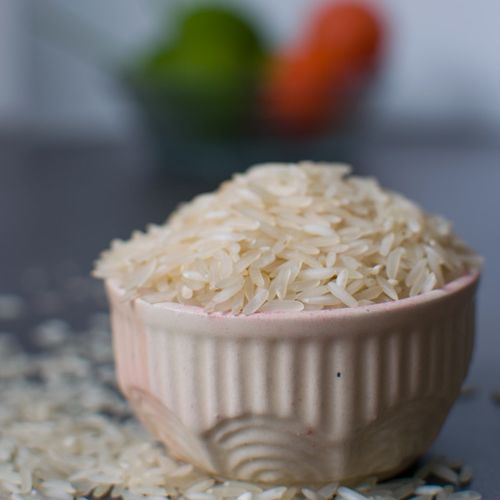
- Appearance: Dull white or greyish.
- Grain: Harder than raw rice.
- Aroma: Moderate and consistent.
- Shelf Life: 18–24 months.
- Ideal Import Markets:
- Hotel and restaurant supply chains, especially in Gulf countries, Africa, and South East Asia.
- Institutional buyers who prioritize cooking performance and presentation.
Common End Uses:
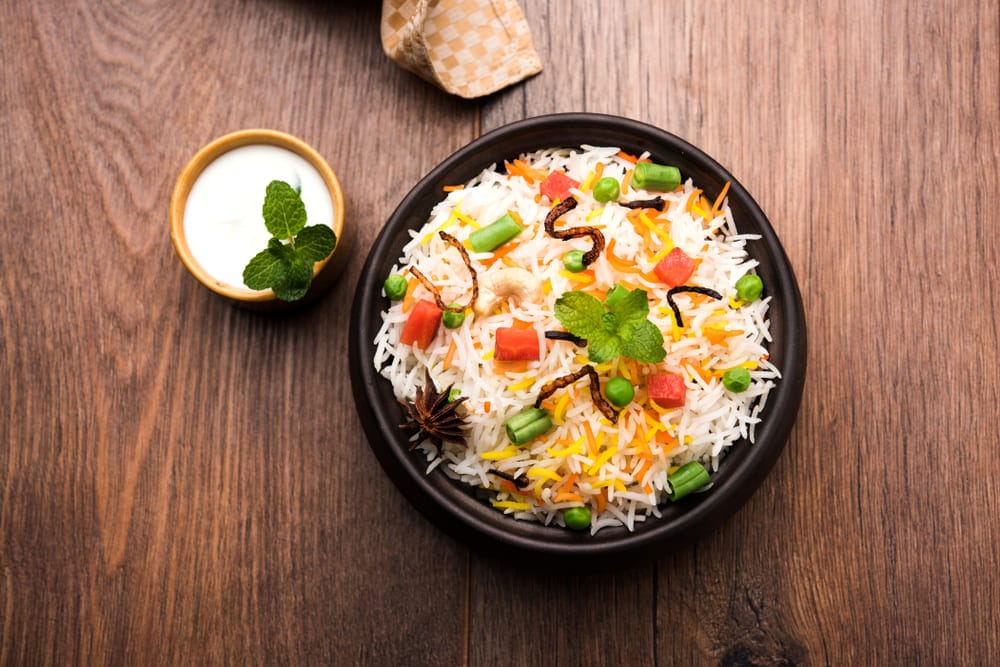
- Long-grain Biryani, buffet cooking.
- Use in catering and food service.
Key Consideration:
Steam rice offers a balanced mix of aroma, length, and firmness. Ensure consistent grain length and whiteness as per your buyer’s expectations.
3. Sella Basmati Rice (Parboiled) – The Export Champion
What Importers Need to Know:
Sella Basmati rice is also called White Sella or Golden Sella, is parboiled Basmati. It has become the most exported variety, especially in high-volume and long-transit markets.
Processing:
- Paddy is soaked and then dried before milling.
- Nutrients from the husk are absorbed into the grain.
Specifications:
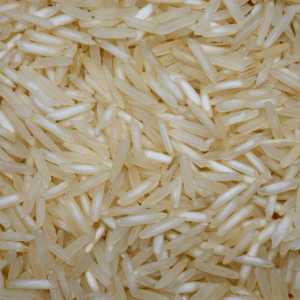
- Appearance: Light yellow golden (Golden Sella) or you can say Creamy-white (White Sella).
- Grain: Very hard; excellent resistance to breakage.
- Aroma: Slightly muted but present.
- Shelf Life: 24+ months.
Ideal Import Markets:
- Saudi Arabia, UAE, UK, Kuwait, Qatar, Iran, Iraq, Africa, and South America.
- Countries that prefer extra-long, firm, non-sticky rice with high cooking yield.
Common End Uses:
- Commercial Biryani chains, tandoori platters, and airline catering.
- Large-scale food preparation requiring uniform grain structure.
Key Consideration:
Due to its hardness, Sella takes slightly longer to cook, but offers excellent grain length and firmness. It’s a favorite among bulk buyers.
At a Glance: Comparative Table for Importers
| Parameter | Raw Basmati | Steam Basmati | Sella Basmati |
| Processing | Milled only | Steamed before milling | Parboiled before milling |
| Color | White | Dull white | Golden or Creamy |
| Grain Texture | Soft | Semi-hard | Hard |
| Shelf Life | 12–18 months | 18–24 months | 24+ months |
| Cooking Time | Fast | Moderate | Slightly longer |
| Aroma | Strongest | Moderate | Mild |
| End Use | Household | Hotels/Catering | Exports, Bulk Use |
| Breakage Risk | High | Medium | Low |
Tips for Importers Before Choosing a Variety
1. Know Your Customer Base
- For premium retail packs, Raw Basmati works well.
- Steam is preferred for food service or Horeca buyers.
- For volume buyers, Sella is the safest bet.
2. Match Your HS Codes and Documentation
Different rice types fall under slightly different HS codes. For example:
- 100630 – Semi/wholly milled Basmati
- Always align documentation and testing with destination country requirements.
3. Check Quality Certifications
Ask your supplier for:
- FSSAI / FDA approvals
- ISO certifications
- Lab reports for grain length, moisture, and broken %
4. Packaging Preferences
- Exporters often offer:
- 25kg to 50kg PP bags for Sella & Steam
- 1kg, 5kg, 10kg pouches for Raw retail
Conclusion: Which One Should You Import?
| Objective | Best Choice |
| Targeting Indian or Pakistani diaspora | Raw Basmati |
| Supplying to Restaurants | Steam Basmati |
| Long Shelf Life + Bulk Orders | Sella Basmati |
Selecting the right Basmati rice variety is not just about pricing—it’s about positioning your brand in the right market. Whether you’re supplying to ethnic groceries in Canada or food chains in Saudi Arabia, the right choice will impact customer satisfaction, repeat orders, and logistics efficiency.
FAQs: Choosing the Right Basmati Rice for Your Market
1. Who are the best rice exporters in India?
The best rice exporters in India are those who offer GI-certified Basmati rice, export-ready packaging, and compliance with international food safety standards. At Tradecart India, we specialize in premium export-grade rice that meets the quality demands of markets like the UK, Canada, Saudi Arabia, and more.
2. How can I find a trusted Basmati rice supplier in India?
When selecting a Basmati rice supplier, look for one with a proven export track record, private labeling support, and the ability to provide aged, aromatic varieties like 1121 Basmati. Tradecart India offers tailored rice solutions to meet your regional market’s preferences.
3. Is there a reliable long grain rice exporter in India?
Yes, Tradecart India is a reputed long grain rice exporter in India, offering various Basmati and non-Basmati options suited for bulk and retail supply worldwide. Long grain rice is especially in demand for restaurant chains and supermarkets in the Middle East and Western markets.
4. Can I get wholesale rice in UK from Indian exporters?
Absolutely. Tradecart India supplies wholesale rice in UK with custom packaging, private labeling, and FOB shipping options. We cater to retailers, ethnic stores, and foodservice suppliers across the UK.